



Kim Potter Bio – The shooting of Daunte Wright by former Minnesota police officer Kim Potter in April 2021 sparked widespread protests and a renewed conversation around police violence.
The case has been closely followed by the public, and there have been several recent developments in the case.
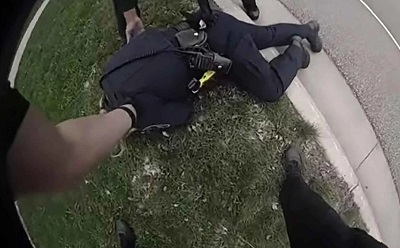
Former Minnesota police officer Kimberly Potter made headlines again after her recent release from prison on April 24, 2023. Potter was serving a two-year sentence for the fatal shooting of Daunte Wright, a 20-year-old Black man, during a traffic stop in the Minneapolis suburb of Brooklyn Center on April 11, 2021. Potter’s release has sparked controversy and reignited conversations about police accountability and the criminal justice system.
In this article, we will provide a comprehensive overview of Kim Potter’s release from prison and conviction for the death of Daunte Wright.
Who is Kim Potter?
Kimberly Potter, a former police officer in Brooklyn Center, Minnesota, shot and killed Daunte Wright during a routine traffic stop in April 2021. Wright, a 20-year-old Black man, was unarmed at the time of his death.

Potter claimed that she had intended to use her Taser, but had mistakenly grabbed her gun instead. The case went to trial, and in December 2021, Potter was found guilty of first-degree and second-degree manslaughter. Recently, Potter was released from prison after serving 16 months of her two-year sentence.
Early Life and Education
Kim Potter was born on December 26, 1971, in Brooklyn Center, Minnesota. Back in 2022, she turned 51 years old. She grew up in the same city and attended Park Center High School, where she played on the school’s softball team.
Quick Wiki
| Name | Kim Potter |
|---|---|
| Full Name | Kimberly A. Potter |
| Occupation | Former police officer from Brooklyn Center, Minnesota, United States |
| Date of Birth | December 26, 1971 |
| Age | 51 years old, as of 2022 |
| Ethnicity | White |
| Place of Birth | Brooklyn Center, Minnesota |
| Nationality | American |
| Education | Park Center High School |
| Spouse | Jeff Potter, a former police officer in Fridley, Anoka County, Minnesota |
| Children | Two sons |
| Controversies | Kim Potter fatally shot Daunte Wright, a 20-year-old Black man, during a traffic stop. She was later convicted of manslaughter and sentenced to 24 months in prison and a fine of $1,000. |
| Additional Facts | Kimberly A. Potter joined the Brooklyn Center Police Department in February 1995. Peters, a former police union president, described her as “a very dedicated, passionate, good person”. |
| Homepage | Click here |
| Follow here |
Husband’s Name
Kim Potter is married to Jeff Potter, a former police officer in Fridley, Anoka County, Minnesota. The couple has two sons together. There is little information available about her personal interests or hobbies.
A career in Law Enforcement
Potter began her career in law enforcement in the late 1980s, joining the Brooklyn Center Police Department as a patrol officer. Over the next three decades, she rose through the ranks, serving as a field training officer, a community policing officer, and a union steward. In 2007, she was promoted to the rank of sergeant, making her one of the highest-ranking officers in the department.

Throughout her career, Potter received several awards and commendations for her service. In 2006, she was recognized for her role in apprehending a suspect involved in a high-speed chase. In 2017, she was one of several officers who received a commendation for their response to a mass shooting at a local nightclub.
The Shooting of Daunte Wright
On April 11, 2021, Potter was involved in the fatal shooting of Daunte Wright during a routine traffic stop in Brooklyn Center, Minnesota. According to police, Potter intended to use her taser but mistakenly drew her firearm instead, firing a single shot that struck Wright in the chest. Wright then drove away in his car but crashed a short distance later, succumbing to his injuries at the scene.

In the aftermath of the shooting, Potter resigned from her position with the Brooklyn Center Police Department and was charged with second-degree manslaughter. Her trial is set to begin in the coming months.
Kim Potter’s Conviction
Former Minnesota police officer Kim Potter made headlines after she fatally shot Daunte Wright, a 20-year-old Black man, during a traffic stop in a Minneapolis suburb. On December 23, 2021, Potter was found guilty of first-degree and second-degree manslaughter.
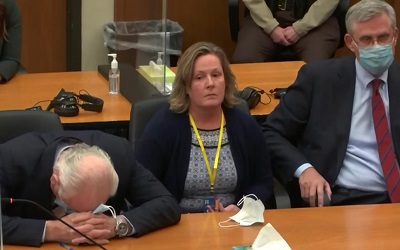
The verdict came as a surprise to legal experts, who noted that such a conviction would have been unlikely just a few years ago.
Understanding the Verdict
Potter’s conviction stemmed from her use of her gun instead of her Taser, which she claimed was a mistake. The prosecution argued that she was negligent and reckless, while the defense maintained that she acted reasonably given the circumstances. The jury ultimately found Potter guilty of both charges, which carry maximum sentences of 15 years and 10 years, respectively.
Sentencing
Potter’s sentencing took place on Friday, December 24, 2021, and she was sentenced to 24 months in prison and a $1,000 fine. The judge also ordered her to serve two years of supervised release and complete 200 hours of community service.
Potter’s defense team requested that she serve her sentence on home confinement, citing health concerns and the threat of violence in prison. However, the judge denied the request, stating that “the only just sentence, in this case, is a period of incarceration”.
Kim Potter’s Release from Prison
On April 24, 2023, Kim Potter was released from prison after serving 16 months of her two-year sentence for the shooting death of Daunte Wright. According to a statement released by her lawyer, Potter was released early for good behavior.
The release of Potter has been met with criticism from the family of Daunte Wright, who have argued that Potter’s sentence was too lenient. The release has also sparked renewed conversations around police accountability and the need for more significant consequences for police officers who use excessive force.
Background and Timeline of the Case
Initial Incident
On April 11, 2021, Potter, a 26-year veteran of the Brooklyn Center Police Department, pulled over Daunte Wright for a traffic violation. During the stop, Wright was found to have an outstanding warrant for his arrest. Potter and another officer attempted to handcuff Wright, but he resisted and tried to get back into his car. Potter then drew her gun and shot Wright, later claiming that she had mistakenly used her firearm instead of her Taser.
Legal Proceedings
Potter was initially charged with second-degree manslaughter, which carries a maximum sentence of 10 years in prison. In December 2021, she was found guilty of both first-degree and second-degree manslaughter charges and was sentenced to two years in prison. However, Potter was released after serving only 16 months of her sentence, sparking outrage among Wright’s family and community activists.
Potter’s Response
Kim Potter has not publicly commented on her release. However, her defense team has maintained that she believed she was using her Taser and did not intend to use lethal force.
Reactions to Potter’s Release
Daunte Wright’s Family and Supporters
Wright’s family and supporters have expressed disappointment and frustration with Potter’s early release from prison. They believe that Potter’s sentence was already too lenient for taking Wright’s life, and her release has only added insult to injury.
Community Activists
Community activists have used Potter’s release to call for broader reforms in policing and the criminal justice system. They argue that cases like Potter’s highlight the need for greater accountability and transparency in law enforcement, as well as more severe penalties for officers who use excessive force.
Law Enforcement Officials
Some law enforcement officials have defended Potter’s actions as an unfortunate mistake, rather than a deliberate act of violence. They argue that police officers often face split-second decisions in high-stress situations and that it is not uncommon for officers to confuse their firearms with non-lethal weapons like Tasers.
Final Thoughts on Kim Potter’s Release
Kimberly Potter’s release from prison after serving only 16 months for the fatal shooting of Daunte Wright has once again put the spotlight on issues of police accountability and the criminal justice system. While some argue that Potter’s sentence was too lenient, others defend her actions as a tragic mistake in a high-pressure situation.
Regardless of individual opinions, this case highlights the need for continued discussion and reform around issues of police training, oversight, and community relations.
FAQs
-
How long was Kimberly Potter in prison before her release?
Kimberly Potter served 16 months of a two-year sentence before her release on April 24, 2023
-
What were the charges against Kim Potter?
Kim Potter was charged with both first-degree and second-degree manslaughter in the fatal shooting of Daunte Wright.
-
What was the reaction to Potter’s release?
Daunte Wright’s family and supporters expressed disappointment and frustration, while community activists used the case to call for police and criminal justice reforms.
-
What was Kim Potter’s rank in the Brooklyn Center Police Department?
Potter was a sergeant in the department.
-
What was Kim Potter charged with after the shooting of Daunte Wright?
Kim was charged with second-degree manslaughter.
-
When did Kim Potter join the Brooklyn Center Police Department?
Potter joined the department in the late 1980s as a patrol officer.
-
What was the outcome of the shooting of Daunte Wright?
Wright was fatally shot during a routine traffic stop.
-
Who is Kim Potter married to?
She is married to Jeff Potter, a former police officer in Fridley, Anoka County, Minnesota.
Summary
Kim Potter’s conviction for manslaughter and subsequent sentencing for killing Daunte Wright marked a significant moment in the ongoing debate about police accountability and racial bias in the criminal justice system. While some praised the verdict as a step towards justice, others criticized it as an indication of broader systemic issues.
Regardless of one’s stance, it’s clear that the case has sparked important conversations about the role of police and the need for reforms in law enforcement policies.