
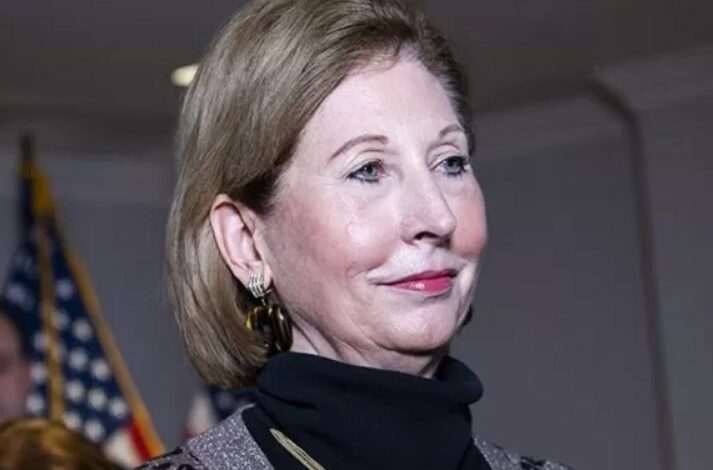
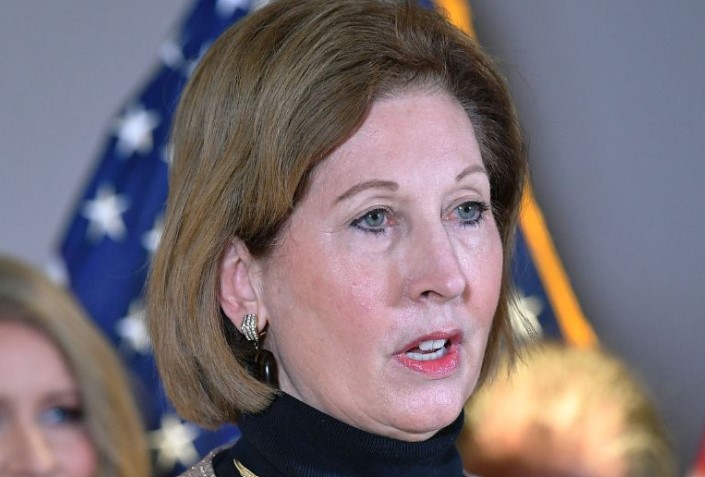
Sidney Powell, a former lawyer for former President Donald Trump, has pleaded guilty to six misdemeanor charges in a Georgia election subversion case, one day before her trial was set to start. Powell, who was among the most vocal proponents of Trump’s baseless claims of widespread voter fraud in the 2020 presidential election, reached a plea deal with prosecutors and agreed to cooperate with them in exchange for a lenient sentence of six years of probation.
She will also be required to write an apology letter to the citizens of Georgia and testify against her co-defendants, including Trump himself, in future trials.
What did Powell do?
Powell was accused of playing a leading role in a conspiracy to interfere with the election duties of Georgia officials and manipulate the election results in favor of Trump. According to the indictment, Powell and her co-conspirators breached the election system in rural Coffee County, Georgia, on January 6, 2021, the same day that a violent mob of Trump supporters stormed the US Capitol in Washington, DC. With the help of local Republican officials, they accessed and copied sensitive information from the county’s election equipment, hoping to find evidence of fraud or irregularities that could overturn the election outcome.
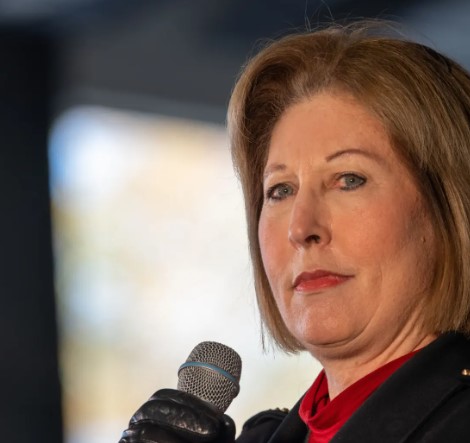
The indictment alleged that Powell and her associates used false credentials and misrepresented themselves as authorized personnel to gain access to the election system. They also tampered with the system settings and attempted to alter the vote tally. They then leaked some of the information they obtained to the media and social media platforms, claiming that it proved that the election was rigged against Trump.
The indictment also claimed that Sidney Powell and her co-conspirators coordinated their actions with Trump and his allies, who were pressuring Georgia officials to overturn the election results. The indictment cited several phone calls and meetings between Powell and Trump, as well as other communications between them and other defendants, such as Rudy Giuliani, Trump’s personal lawyer; Mark Meadows, Trump’s former chief of staff; and Brad Raffensperger, Georgia’s secretary of state.
What are the charges and penalties?
Sidney Powell pleaded guilty to six counts of intentional interference with the performance of election duties, a misdemeanor offense under Georgia law. Each count carries a maximum penalty of one year in jail and a $1,000 fine. However, as part of her plea deal, prosecutors recommended that she be sentenced to six years of probation instead of jail time. She will also have to pay a $6,000 fine and $50,000 in restitution to the state of Georgia. Additionally, she will have to write an apology letter to the citizens of Georgia, acknowledging her wrongdoing and expressing remorse for her actions. She will also have to testify truthfully against her co-defendants at future trials.
Powell is the second person to plead guilty in the Georgia election subversion case. Scott Hall, a bail bondsman and former Republican poll watcher, also struck a plea deal with prosecutors in late September. He was sentenced to five years of probation and ordered to testify against others in future trials. He was also accused of trying to gain access to sensitive election equipment in Coffee County.
There are 18 co-defendants remaining in the case, including Trump himself. They face various charges of conspiracy, racketeering, computer trespassing, computer fraud, computer theft, false statements, false swearing, and violation of oath by public officers. They could face up to 20 years in prison if convicted.
Who is Sidney Powell?
Sidney Powell is a 67-year-old lawyer who rose to prominence as one of Trump’s most loyal and outspoken defenders after the 2020 election. She filed several lawsuits in multiple states challenging the election results and alleging massive fraud involving voting machines, foreign interference, dead voters, and other conspiracies. However, none of her lawsuits succeeded in court and many were dismissed for lack of evidence or standing.
Powell is a former federal prosecutor who worked under nine US attorneys from both political parties. She also served as an assistant US attorney in three judicial districts under four presidents. She specialized in prosecuting complex white-collar crimes such as fraud, money laundering, racketeering, and terrorism.
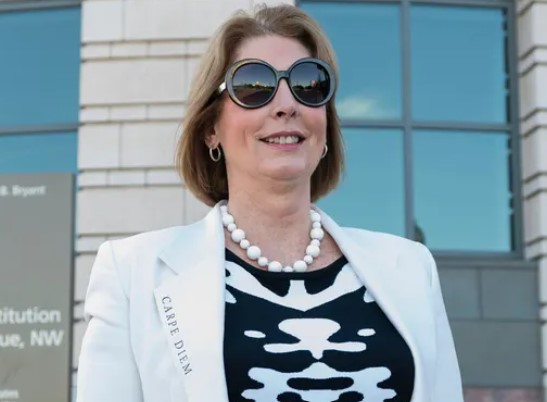
Powell is also an author and a frequent guest on conservative media outlets. She wrote a book titled “Licensed to Lie: Exposing Corruption in the Department of Justice”, which accused former federal officials of misconduct and corruption in several high-profile cases. She also appeared regularly on Fox News and other platforms to express her support for Trump and his policies.
Powell has been described by some as a “hero” and a “patriot” for her efforts to expose alleged election fraud. However, she has also been criticized by others as a “liar” and a “conspiracy theorist” for spreading false and unsubstantiated claims that undermined public confidence in the electoral process.
What are the implications of Powell’s plea?
Powell’s plea deal is a significant development in the Georgia election subversion case, which is one of the most serious and unprecedented legal challenges to the integrity of American democracy. It could have major implications for the fate of the other defendants, especially Trump, who is facing the possibility of criminal prosecution for his role in the alleged scheme.
Sidney Powell’s cooperation with prosecutors could provide crucial evidence and testimony that could strengthen the case against Trump and his allies. Powell could reveal details about their communications, plans, motives, and actions that could prove their involvement and intent in the conspiracy. She could also corroborate or contradict the statements of other witnesses and defendants, as well as provide context and insight into their behavior and mindset.
Powell’s plea deal could also influence the decisions of other defendants, who may be more inclined to follow her example and seek plea bargains with prosecutors. This could result in more guilty pleas, more cooperation, and more information that could further expose the extent and nature of the alleged election subversion plot.
Powell’s plea deal could also have an impact on the public perception and opinion of the case, as well as the broader issue of election integrity. Powell’s admission of guilt and apology could undermine her credibility and reputation as a lawyer and a spokesperson for Trump’s cause. It could also cast doubt on her claims of election fraud and raise questions about the validity and veracity of her lawsuits and allegations. It could also erode the trust and support of some of Trump’s followers, who may feel betrayed or disillusioned by Powell’s actions.
However, Sidney Powell’s plea deal may not necessarily guarantee a conviction or a resolution of the case. Some of the defendants, including Trump, may still maintain their innocence and fight the charges in court. They may also challenge the evidence and testimony provided by Powell and other cooperators, as well as question their motives and credibility. They may also appeal to their political base and supporters, who may still believe in their claims of election fraud and view them as victims of a witch hunt or a coup.
The Georgia election subversion case is expected to be a long and complex legal battle that will test the limits and boundaries of the law, politics, and democracy in America. Powell’s plea deal is a major turning point in the case, but it is not the end of it. The outcome of the case will have far-reaching consequences for the future of the country and its institutions.