

How Three Bulgarians Were Exposed As Russian Spies In The UK – Check Out Details

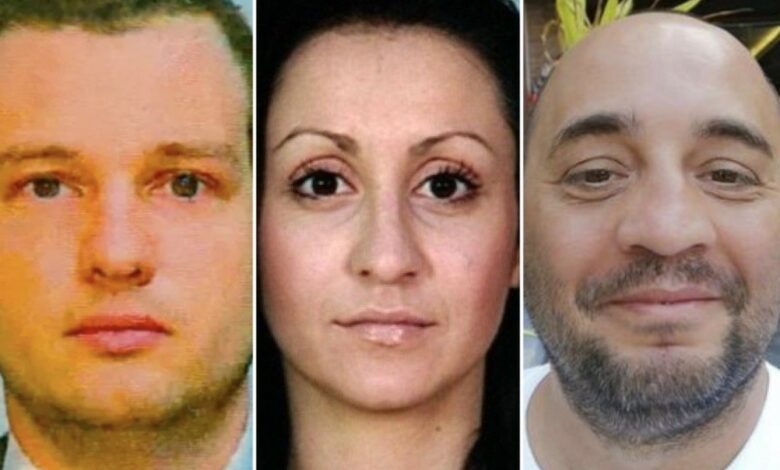
In a major national security investigation, British police have arrested and charged three Bulgarian nationals who are suspected of being Russian spies. The trio, who have lived in the UK for years, were allegedly working for the Russian security services and possessed false identity documents from various European countries. They are due to go on trial at the Old Bailey in London in January 2024.
This article will explore the background, details, and implications of this case, which has raised serious concerns about the extent of Russian espionage activities in Britain and Europe.
Who are the suspects?
The three defendants are:
- Orlin Roussev, 45, of Great Yarmouth, Norfolk
- Bizer Dzhambazov, 42, of Harrow, north-west London
- Katrin Ivanova, 31, of the same Harrow address
According to their online profiles and former neighbors, the trio has worked in various jobs, such as technical roles in financial services, driving for hospitals, and laboratory assistance for a private health business. They also ran a community organization providing services to Bulgarian people living in the UK, including familiarising them with the “culture and norms of British society”.
However, according to the BBC, they are accused of being agents of the Russian security services, specifically the GRU (Main Directorate of the General Staff), which is responsible for military intelligence and special operations. The GRU has been linked to several high-profile incidents in recent years, such as the attempted assassination of former double agent Sergei Skripal and his daughter Yulia with the nerve agent Novichok in Salisbury in 2018, and the hacking of Democratic Party emails during the 2016 US presidential election.
| Fact | Description |
|---|---|
| Suspects | Orlin Roussev (45), Bizer Dzhambazov (42) and Katrin Ivanova (31), all Bulgarian nationals |
| Charges | Possession of false identity documents with improper intention |
| Allegations | Working for the Russian security services, specifically the GRU |
| Arrest | February 2023, under the Official Secrets Act |
| Trial | January 2024, at the Old Bailey in London |
How were Russian spies caught?
The trio were arrested under the Official Secrets Act by counter-terrorism detectives from the Metropolitan Police in February 2023. They were charged with possession of false identity documents with improper intention, under section 4 of the Identity Documents Act 2010. The documents include passports, identity cards, and other documents for the UK, Bulgaria, France, Italy, Spain, Croatia, Slovenia, Greece, and the Czech Republic.
The police have not revealed how they identified and tracked down the suspects, but it is likely that they used a combination of human sources, surveillance techniques and digital forensics. It is also possible that they received intelligence from allied countries or agencies, such as NATO or MI6.
The police have also not disclosed what the suspects were allegedly doing or planning to do for Russia. However, some media reports have suggested that they may have posed as journalists to carry out surveillance on targets or gather information. They may have also tried to recruit or influence other people who had access to sensitive or classified information.
What are the implications?
The case has exposed the ongoing threat of Russian espionage in Britain and Europe. According to British authorities, Russia is “the most acute threat” to their national security and has been conducting “malign activity” against them and their allies. The UK has been one of the strongest supporters of Ukraine since its invasion by Russia in 2021 and has imposed a range of sanctions on Russian officials and oligarchs.
The case has also highlighted the role of Bulgaria as a potential conduit for Russian influence and interference in Europe. Bulgaria is a member of both NATO and the European Union but has historical and cultural ties with Russia. It has been accused of being a “Trojan horse” for Moscow’s interests by some Western analysts and politicians.
The case may also have an impact on the bilateral relations between Britain and Bulgaria. The two countries have generally enjoyed friendly and cooperative ties but may face some diplomatic challenges as a result of this case. For instance, Bulgaria may request access to or extradition of its citizens who are accused of spying for Russia. Alternatively, it may face pressure from Britain or other allies to take action against any Russian operatives or networks operating on its soil.
Conclusion
The arrest and charge of three Bulgarian nationals who are suspected of spying for Russia in the UK is a significant development in the ongoing struggle between Britain and Russia over national security and geopolitical interests. The case reveals the extent and sophistication of Russian espionage activities in Europe and poses challenges for both Britain and Bulgaria in dealing with this threat.
Summary of the article
- British police have arrested and charged three Bulgarian nationals who are suspected of spying for Russia
- The trio, who have lived in the UK for years, were allegedly working for the Russian security services and possessed false identity documents from various European countries
- The case exposes the ongoing threat of Russian espionage in Britain and Europe and poses challenges for both Britain and Bulgaria in dealing with this threat
Frequently asked questions about the case
-
How did the police catch the suspects?
The police have not revealed how they identified and tracked down the suspects, but it is likely that they used a combination of human sources, surveillance techniques, and digital forensics. It is also possible that they received intelligence from allied countries or agencies.
-
What were the suspects allegedly doing or planning to do for Russia?
The police have not disclosed what the suspects were allegedly doing or planning to do for Russia. However, some media reports have suggested that they may have posed as journalists to carry out surveillance on targets or gather information. They may have also tried to recruit or influence other people who had access to sensitive or classified information.
-
What are the consequences for Britain and Bulgaria?
The case has exposed the ongoing threat of Russian espionage in Britain and Europe. The UK has been one of the strongest supporters of Ukraine since its invasion by Russia in 2021 and has imposed a range of sanctions on Russian officials and oligarchs. The case has also highlighted the role of Bulgaria as a potential conduit for Russian influence and interference in Europe. Bulgaria is a member of both NATO and the European Union but has historical and cultural ties with Russia. The case may also have an impact on the bilateral relations between Britain and Bulgaria. The two countries have generally enjoyed friendly and cooperative ties but may face some diplomatic challenges as a result of this case.